

Deep Tissue Massage - 120 min Gallery
$$MultiPurposeText$$
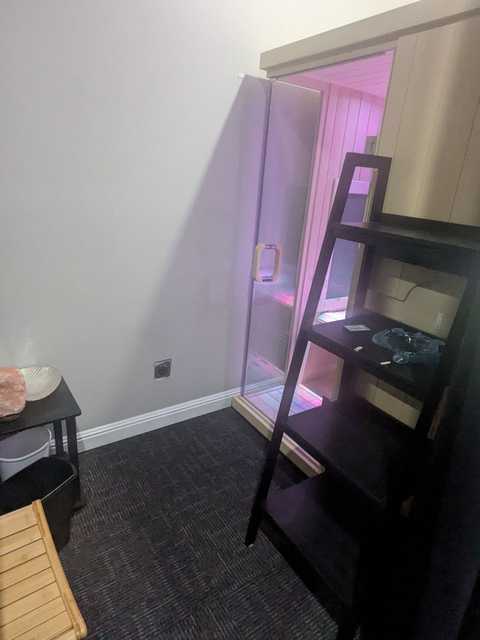
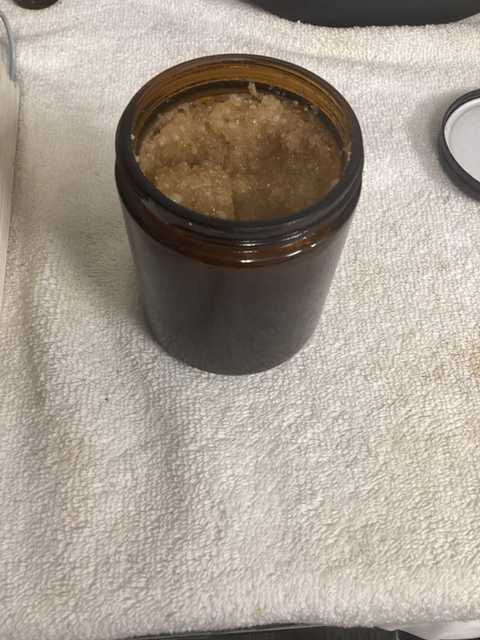
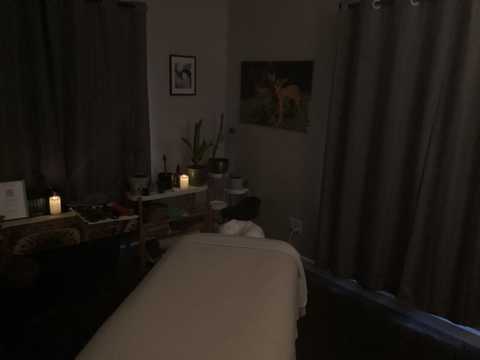
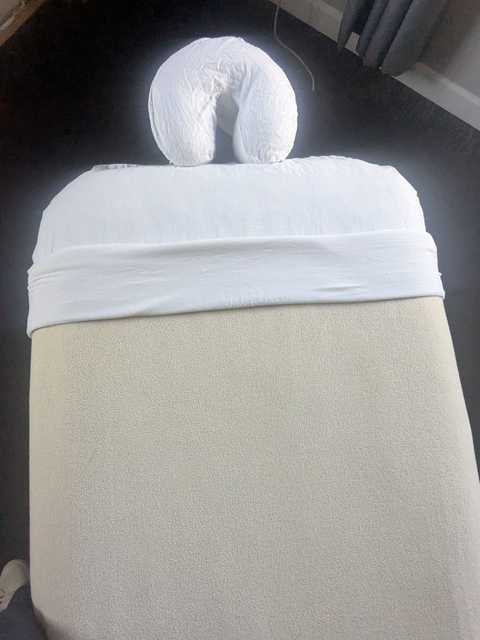
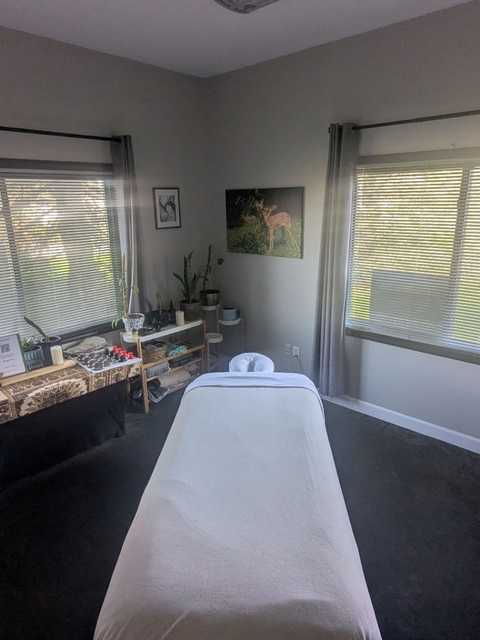
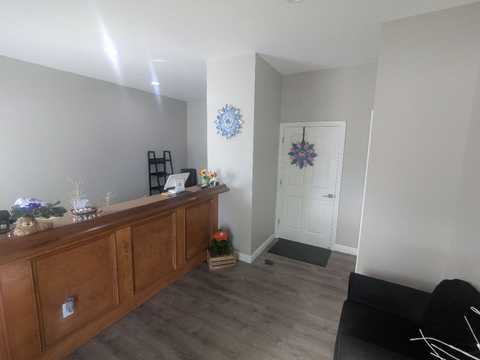
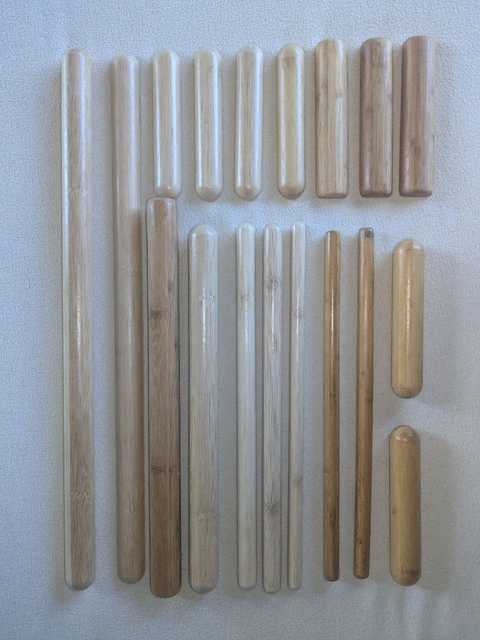
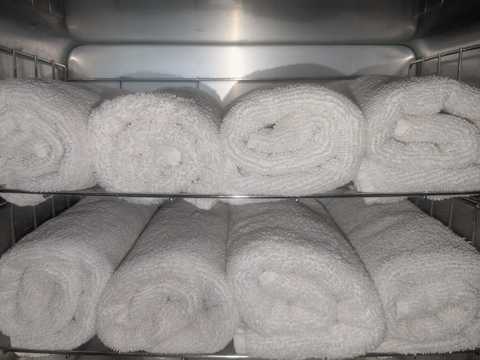
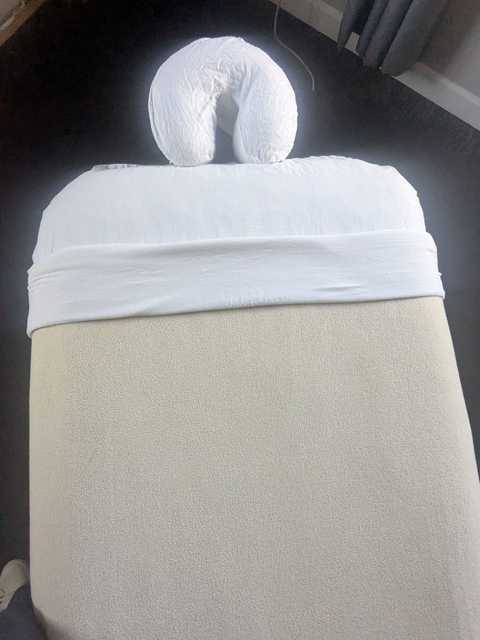
See examples of our Deep Tissue Massage - 120 min work and results.





What Our Clients Say
$$MultiPurposeText$$
Read testimonials from our satisfied customers

Wes listens and does exactly what you ask for. He is strong, yet gentle. His trigger point...more

...more
Frequently Asked Questions
Get answers to common questions about Deep Tissue Massage - 120 min.
Yes, with modifications. Therapists assess your medical history, sensitivity, and pain levels before customizing pressure. Expect thorough communication, gradual intensity, and post-session self-care advice to ensure comfort and avoid excessive soreness.
Hydrate well, eat a light meal, and arrive slightly early to complete intake forms. Wear comfortable clothing, disclose medical conditions or injuries, and plan rest afterward since deep work can cause temporary fatigue and mild soreness.
Mild to moderate soreness is common and can last 24–72 hours as tissues adjust. Drink water, apply heat or ice as advised, and follow therapist-recommended stretches to speed recovery and reduce discomfort.
Frequency depends on goals and severity of issues: acute or chronic pain may benefit from weekly or biweekly sessions initially, moving to monthly maintenance once tension and mobility improve. Your therapist will design a personalized plan.
Yes. Active infection, open wounds, recent surgery, blood clots, uncontrolled hypertension, or certain cardiac conditions may rule out deep work. Always disclose medical history; therapists will recommend alternatives or obtain physician approval when needed.
A thorough intake and targeted assessment start the session, followed by focused, sustained pressure on problematic areas. Communication guides intensity. Sessions include full-body work, hands-on structural techniques, and personalized aftercare to optimize healing and mobility.
Read more about Deep Tissue Massage - 120 min
$$MultiPurposeText$$
Explore our latest insights and guides on Deep Tissue Massage - 120 min.


