

Deep Tissue Massage - 75 min Gallery
$$MultiPurposeText$$
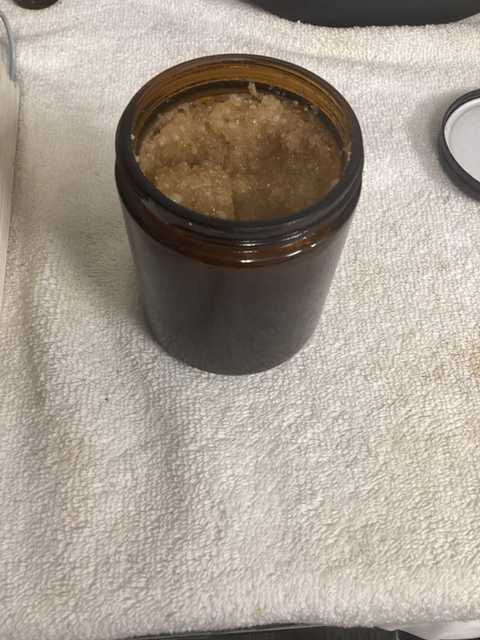
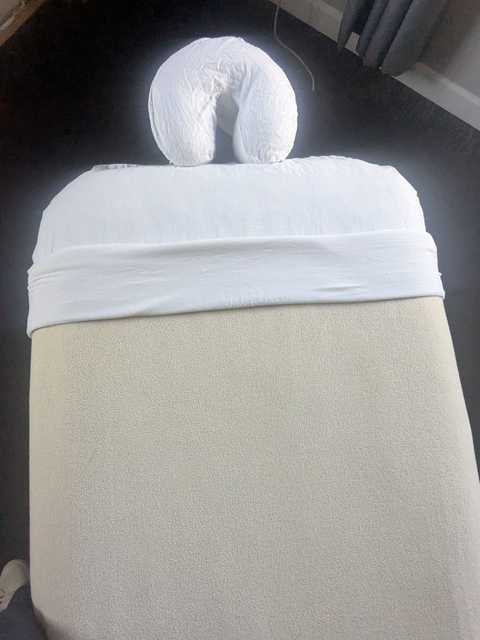
See examples of our Deep Tissue Massage - 75 min work and results.











What Our Clients Say
$$MultiPurposeText$$
Read testimonials from our satisfied customers

Wes listens and does exactly what you ask for. He is strong, yet gentle. His trigger point...more

...more
Frequently Asked Questions
Get answers to common questions about Deep Tissue Massage - 75 min.
Intensity varies by client and therapist; expect firm, focused pressure that can be uncomfortable at times. Therapists work within your tolerance, use communication and slow techniques. Mild soreness for 24–72 hours is normal and signals therapeutic tissue release.
We require physician clearance for recent surgeries; with approval, therapists will adapt techniques and avoid sensitive areas. Timing depends on procedure and healing stage. Always disclose surgical history so we can create a safe, effective recovery-focused treatment plan.
Arrive hydrated and a few minutes early to complete intake forms. Wear loose clothing and be ready to discuss medical history, pain patterns, and goals. Avoid heavy meals and intense exercise beforehand for the best therapeutic response.
Drink plenty of water and rest; apply heat or ice as directed for discomfort. Expect some soreness for a day or two. Gentle stretching and avoiding strenuous activities helps healing. Follow your therapist's specific aftercare recommendations for optimal results.
Frequency depends on condition severity and goals; acute or post-op clients may start weekly, chronic pain often benefits from biweekly sessions, then transition to monthly maintenance. Your therapist will recommend a personalized schedule and complementary self-care practices.
Some pressure can feel painful, especially when releasing tight adhesions, but therapists monitor your comfort and adjust pressure. Use breathing and communication to manage intensity. Any lasting or severe pain should be reported immediately; mild post-treatment soreness is common.
Read more about Deep Tissue Massage - 75 min
$$MultiPurposeText$$
Explore our latest insights and guides on Deep Tissue Massage - 75 min.

Understanding Deep Tissue Massage: Key Benefits & What to Expect
Published On: June 20, 2026